
Campsite Location Tips: Avoiding Noise, Bathrooms, and Bad Neighbors
That site right next to the bathhouse always looks like a win on the reservation map. There’s no flip-flop shuffle across the gravel at 2am, yay! But it comes with a price. Flushing toilets, headlights sweeping your windows at all hours, and every other camper's kids cutting through your site on the way to wash their hands. Same story for anything near the dumpster or the communal fire circle: convenient for everyone else's foot traffic, less so for your peace and quiet. Before you book, check out our top tips for picking a location. We’ve also included recommended accessories. Fair note: as an Amazon Associate, we’ll earn from qualifying purchases.
RV Site Fit Check: What to Know Before You Book
If you're pulling a camper, "the site is available" and "the site actually works for your rig" are two very different things. Check the listed site length against your trailer plus your tow vehicle, not just the trailer alone. Even with a 26 foot camper and ½ ton truck, we’ve dealt with this and learned the hard way in a cramped back-in loop. Pull-through sites make arrival and departure painless, but back-ins usually buy you more privacy and a better view. Either way, take a look at where the hookups sit before you commit. Nothing ruins a first evening like discovering your water and sewer connections are on the wrong side of the pad, or that your awning has nowhere to go but into a tree branch.
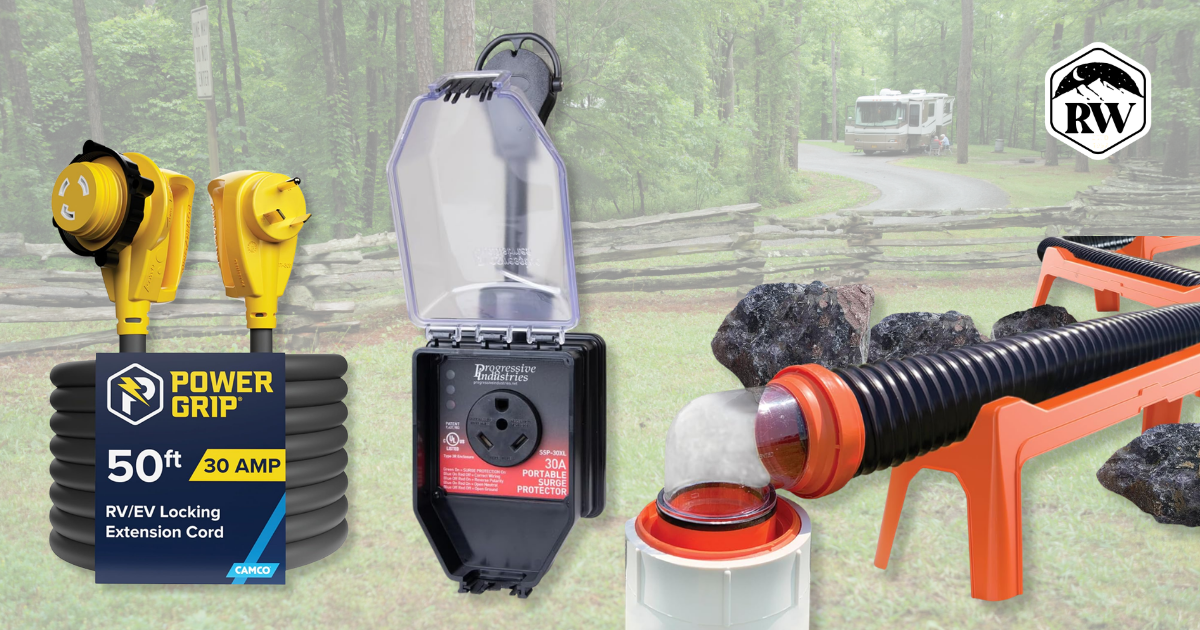
30 Amp or 50, make sure to get a Surge protector (like this one from Progressive Industries) with a fault detector.
Who knows how far you’ll end up from the pole? Keep a locking extension cord on hand.
Keep your sewer hose elevated and at a perfect angle. This Rhino sewer hose support kit is leaps and bounds better than the accordion kind we’ve used in the past.
Will It Level? How to Check an RV Site Before You Book
Leveling a camper takes some practice, but it’s a heck of a lot easier when the campground has done most of the work for you. Most reservation sites will mention whether a site is level, and you can take it for gospel most of the time. Chances are, material will help you gauge ahead of time: if it’s concrete, you’ll be fine. If it’s dirt, you might need some extra blocks. Our favorite leveling accessories make the job quick(er):
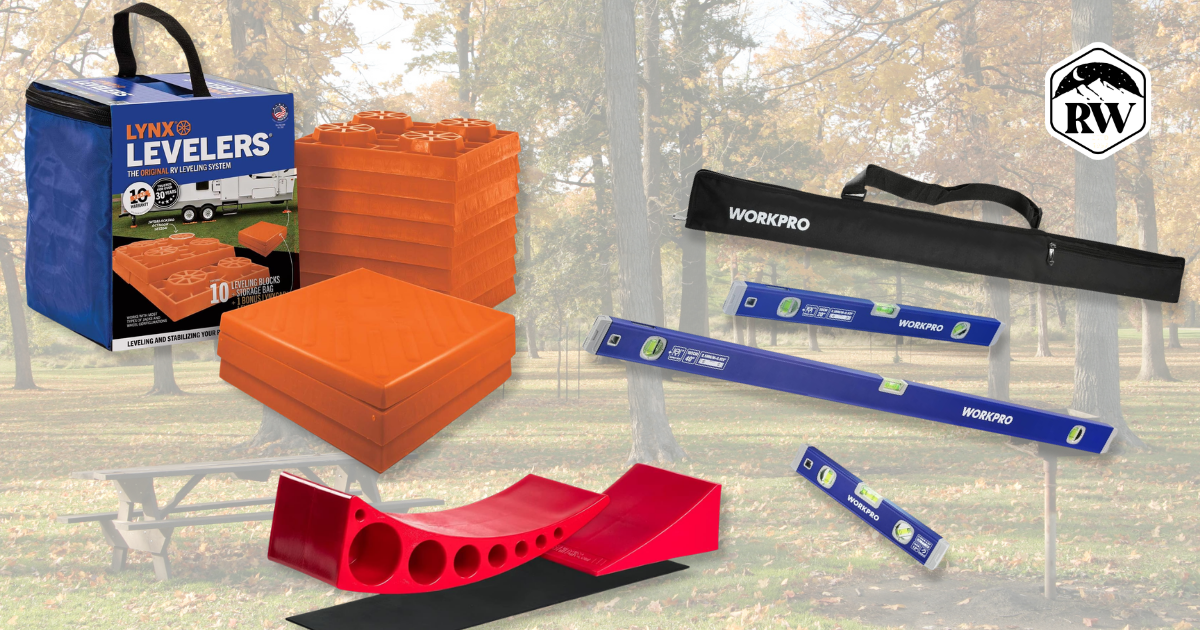
Lynx leveling blocks save your stabilizer jacks from being extended all the way and give an extra boost of stability.
Check your angle left-to-right and front-to-back with a handy bubble level. Husband J prefers a 4 footer, but this three-pack of bubble levels is a great deal.
The wonkiest sites are no match for these Andersen Leveler Blocks. Just drive up until your bubble level is set.
Mud, Puddles, and Drainage: Spotting a Soggy Campsite Before You Book
Level is one thing. Dry is another. A site can pass the bubble level test and still turn into a swamp the second it rains, especially if it sits in a low spot or backs up to a drainage ditch. Gravel and packed dirt drain fast; grass looks nice in photos and turns into soup by day two of a storm. If you can see satellite or ground-level photos before booking, glance at the site's surroundings for any obvious low points. And always, always pack something to keep your feet (and your gear) out of the mud regardless.
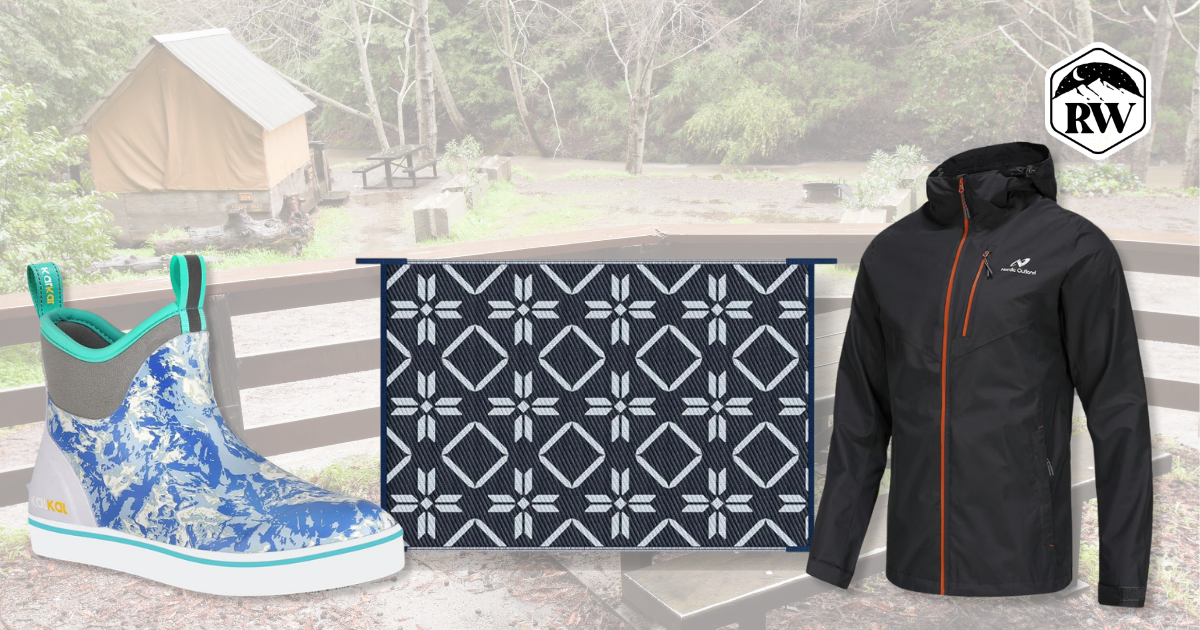
Make your trailer and tent site homey with a rug - while keeping the dirt and grime out. Traditional outdoor rugs are heavy, but RV rugs are waterproof, lightweight, and pack without taking up much space.
Do double duty with deck boots. Use them when it rains, walks down to the lake, or on fishing excursions.
Forget the umbrella. Invest in a decent rain jacket to stay dry while setting up or tearing down your site in a downpour.
Chasing Shade: Checking a Site's Sun Exposure Before You Book
Thankfully you won’t need Lewis and Clark to help, but you will need to remember that the sun rises in the East and sets in the West. Teaching opportunity for the kids, right? We’re exploratory campers: we spend time visiting tourist hotspots and dining at local restaurants. A big part of camping is enjoying the peace and quiet of your campsite, though, and fighting the sun during what should be a calming morning or evening is quite the buzzkill. If your chosen campground has limited tree cover, make sure to check the location of the sun. At one of our favorite spots in Florida, we’ve learned that a handful of spots are in a prime location: perfectly situated so breakfast is in the shade and we can sit and watch the sunset in the evening without sweating buckets. One more thing we haven’t added but plan to: these awning screens seem to do a great job at our neighbors’ sites to filter out sunlight.
Waterfront Campsites: What "Water Access" Actually Means
If you're traveling with kids, a site near a lake, creek, or pool will get more use than almost anything else on this list. It's free entertainment, it wears them out before bedtime, and it usually means a built-in group of other camping kids to make friends with. Just double check what "waterfront" actually means at a given campground. Sometimes it's a private dock, sometimes it's a view of the water from fifty yards and a hike down a hill. A quick look at recent photos will tell you more than the listing description will. More on that, later; we’re working on a way to document campsite photos!
Camping With Dogs: What to Check for Pet-Friendly Amenities
Our dogs are barkers. We do what we can to keep them quiet - including these awesome bark collars that don’t shock, and instead let out a beep. But our fur babies need to do their business, and some places are better than others when it comes to doggie amenities. Most luxury places will have dog parks. Check to see if there are multiple runs, always a plus. For state parks, check and see if there are trails or generous patches of grass nearby. While walks are lovely when you have time, those early mornings and late night walks are easier when you can quickly run over to a spot and let them do their business. And don’t forget to clean up after yourselves.
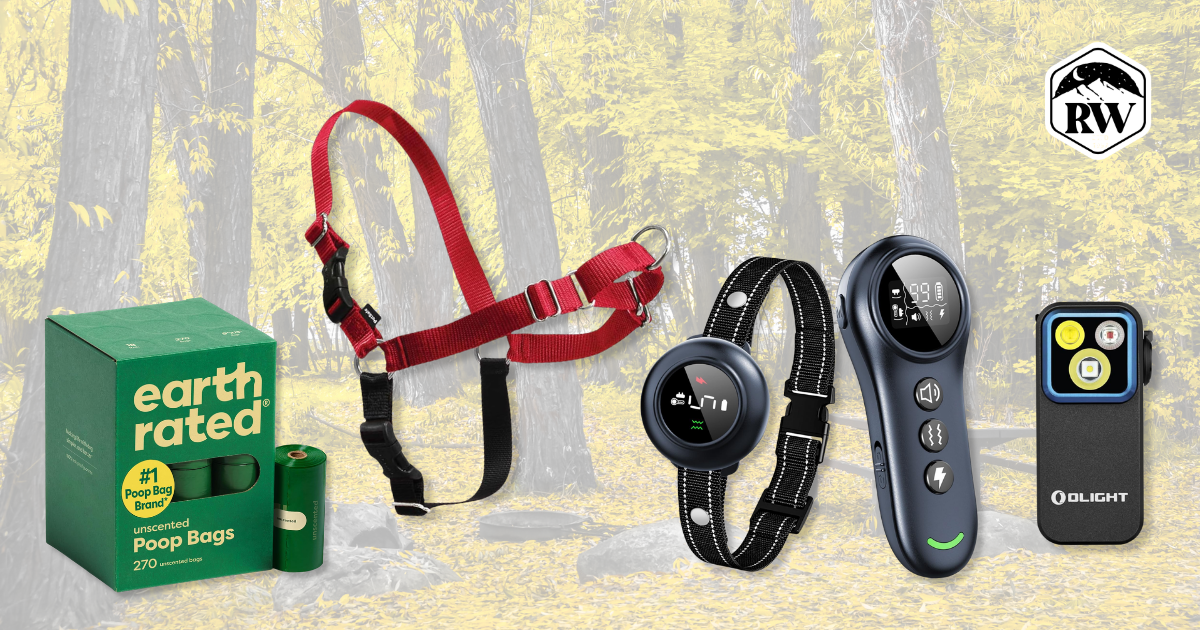
From our experience, Earth Rated makes the best dog waste bags.
For the dogs who’ve never learned what “shhhh!” means, no-shock bark collars are a lifesaver at a campground. This one comes with a training remote that actually works.
This PetSafe harness keeps our poodle from dragging us to his new friends (2 and 4-legged alike).
At night, it’s overwhelming to hold the leash, flashlight and pick up after your furry friend. Wear this hands-free flashlight and worry no more.
Campsite Research 101: What Reviews Tell You That Listings Don't
We keep a running checklist for a reason: no listing tells you everything. The site description will say "shaded" and "level," but it won't tell you that the roots from that shade tree have heaved the pad, or that the site has zero cell signal, or that the "quiet loop" is directly under the flight path for the campground's zipline. That's what recent reviews are for. A quick search of the campground name plus the site number, on the booking site itself or on an app built for it, will usually turn up exactly what you need to know before you show up with a 30-foot trailer and no plan B.
Final Checklist: Firewood, Bug Season, Privacy, and Connectivity
Some of these don't need a whole section of their own, but they've all made or broken a trip for us at one point:
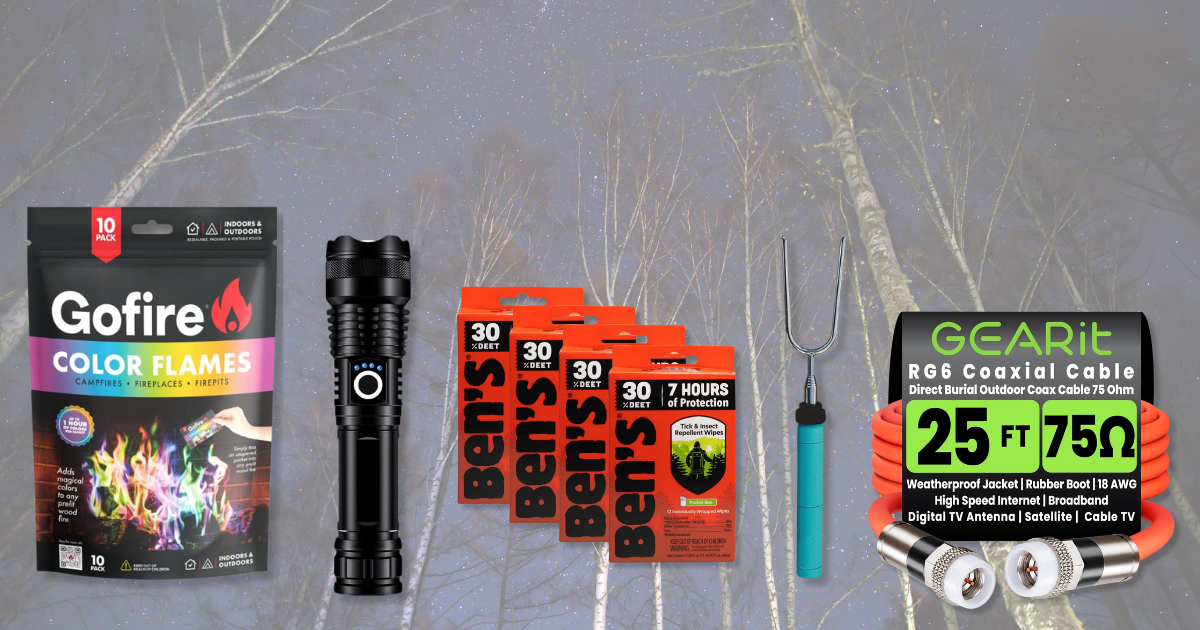
Firewood and fire restrictions — some campgrounds sell it on-site, some require it be sourced locally, and some ban fires entirely during dry season. Check before you plan s'mores night around it. Kids love these color flames and marshmallow sticks.
Bugs — ask what's biting that time of year before you go. These individual wipes from Ben’s are so great because they don’t dry out, and are portable for hikes.
Privacy — wooded, corner, and end-of-loop sites tend to buy you more space from your neighbors than an open site in the middle of a row.
Nighttime safety — a lit path (or your own flashlight) to the bathroom matters more once the sun's down and you've got a sleepy kid in tow. Replace your battery-powered flashlights with rechargeable USB-C options like these.
Cable & wifi — yes, we’re here to get away from it all, but there’s nothing like catching the football game or winding down with a nice movie. Use your favorite streaming device (for us, Apple TV or Fire Stick), or grab a projector for the crowd. And if you’re at a campground with cable, don’t forget your coax; you won’t be able to take advantage of those free channels without it.
“We’ve booked our share of duds over the years, and honestly, that’s how this whole checklist came together. Hopefully it saves you a mud pit or two.”